
By Nesrine Benyaiche
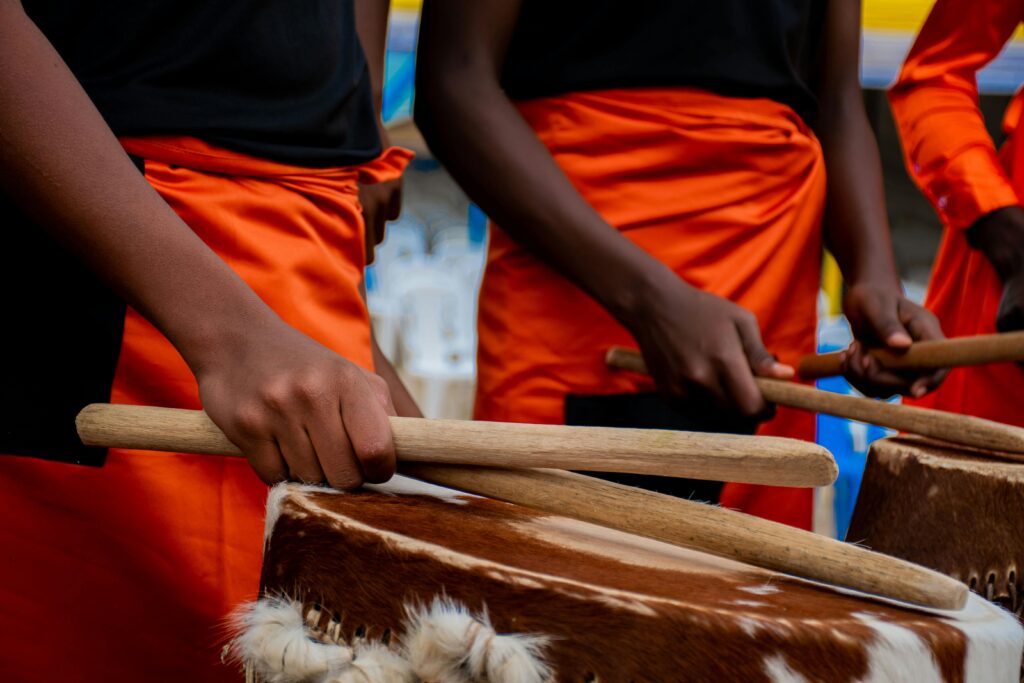
Festivals are more than just celebrations; they bring us together and remind us who we are. They are a way of holding on to our culture, heritage, and geography through sound, colour, and gatherings that refuse to fade. And Africa is a festival continent, across the whole continent festivals rise like living monuments. They provide an opportunity to celebrate shared experiences, musical, religious, and cultural rituals passed down from generation to the other. We celebrate harvest, we celebrate rain, and we celebrate the beats that carry our stories more than words ever could. Festivals keep our history alive. They remind us of our traditions, our shared experiences and our values.
In difficult times, festivals create small flames of hope. They let people shift their focus toward joy and possibility, even briefly. In this fast-paced world, festivals become the pause we desperately need. A moment to look back, breathe, and reconnect. They also encourage volunteerism among locals; people organising, helping, decorating, cleaning, giving their time simply because they understand that their community can only thrive if they tend to it. They create a sudden sense of unity, a togetherhood you cannot manufacture anywhere else. They remind us that we share experiences, memories, wounds and victories.
Festivals are deeply educational. They teach aspects of our culture to other people and to our children through showcasing fragments of our history and our ways of belonging through dances, chants and prayers they demonstrate the values, beliefs, and customs present in each community. They are not just moments to have fun, they are moments that strengthen the community, preserve the culture, and allow people to feel that they belong. Festivals form identity. They allow people to see themselves reflected in something larger. And in diverse, multi-ethnic societies, they promote tolerance by showing us “the other” not as a stranger but as someone like us with their own complexities and beauty.
Economically, festivals matter just as much. They bring clients, visitors, and investment. They create local demand shops, travel agencies, food vendors, artisans all feel the rush. Tourist destinations especially in Africa use cultural festivals to draw visitors from across the world, which in turn strengthens hospitality, tourism, and small-scale craftsmanship.
In Uganda, for example, The Bayimba International festival identifies its audience as follows: “Our audience comes from all Social strata. There are tourists, city dwellers, local communities, especially fishermen, cyclists and boda boda drivers (motorbike taxis). 75% are from Uganda and 25% are international. 24% of this audience is aged between 18 and 25. 36% of festival-goers are aged between 30 and 45 and 16% are over 50”. In the Indian Ocean archipelago, the Sauti za Busara festival welcomes 4,000 visitors a day, 63.5% of whom are Tanzanians, with the rest coming from other African countries, Europe, Japan and the USA. Festivals keep local economies alive and protect artisan trades that might otherwise disappear.
A vibrant moment at the Bayimba International Festival — artists and festival‑goers unite at sunset on Lunkulu Island, celebrating Uganda’s creative spirit through music, dance, and community. Photo: Bayimba International Festival / Music In Africa.
Across Africa, historical and cultural festivals celebrate diverse traditions and maintain a sense of unity and shared heritage. The continent is never short of colour, never short of celebrations that preserve its richness and encourage relationships with neighbouring cultures. The Fez Festival of World Sacred Music in Morocco promotes intercultural dialogue and peace. Zanzibar’s International Film Festival becomes a vibrant celebration of film and artistic creation, ending with award nights and beach parties that bring cinema to life.
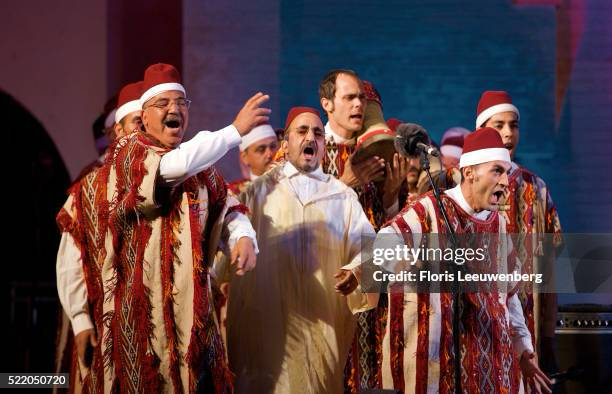
A striking performance during the Fez Festival — musicians bring sacred heritage to life under the Moroccan night sky, blending tradition and global rhythm on the world’s stage. Photo: Getty Images / [Photographer’s copyright held by Getty — “Performance during World Sacred Music Festival”]
Panafest in Ghana transforms a painful history into a healing pilgrimage, remembering slavery while celebrating Pan-African unity with theatre, music, and dance. For example the 2025 Theme was: “Let Us Speak of Reparative Justice – Pan-African Artistic Activism” And then there are festival-like events such as CANEX spaces where culture meets economy, creativity meets opportunity. CANEX is not a festival of performance but a festival of possibility. It gathers African creators, thinkers, and innovators. It gives structure to dreams. It shows that art can heal and empower communities and that deserves investment.
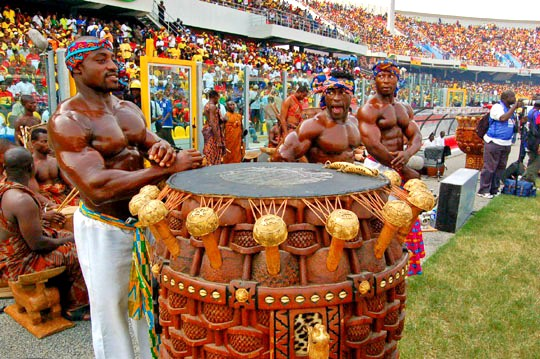
Color, rhythm and heritage on full display — performers light up the stage during PANAFEST 2023 in Ghana, embodying the spirit of Pan‑African unity and cultural celebration.Photo: PANAFEST / African American Golfers Digest — Panafest 2023 coverage.
This is why funding matters, and why the presence of spaces and initiatives like CFCA becomes essential. CFCA has always emphasised the significance of cultural funding not just because art is beautiful, but because art is necessary. Funding festivals and cultural events protects creative expression, sustains economies, builds communities, and ensures that African cultural production continues to grow rather than shrink.
Although most African countries have ratified the 2005 UNESCO convention on the protection and promotion of the diversity of cultural expressions that emphasises on the support and development of cultural and creative industries through public policies, and despite offering real added value in terms of enhancing and promoting tourism in their respective countries, private African festivals are struggling to find a response from the public authorities in terms of financial support and assistance with their structuring.
However Morroco and Senegal offer good examples. morroco’s festivals are supported by the public authorities, especially through the Ministry of Tourism and the national airline Royal Air Maroc. In Senegal the Dakar Biennial, West Africa’s major contemporary art events, is directly funded by the government; which allocates it a special budget.
Festivals are much more than moments of joy. They repair and strengthen the social fabric in their own quiet way. They preserve culture, uplift spirits, and open doors for economic growth. They bring people together, create shared memories, and root pride deeply in cultural identity. They remind us that belonging is both a feeling and a practice, and that culture when funded, protected, celebrated has the power to transform communities.
Editor’s Note
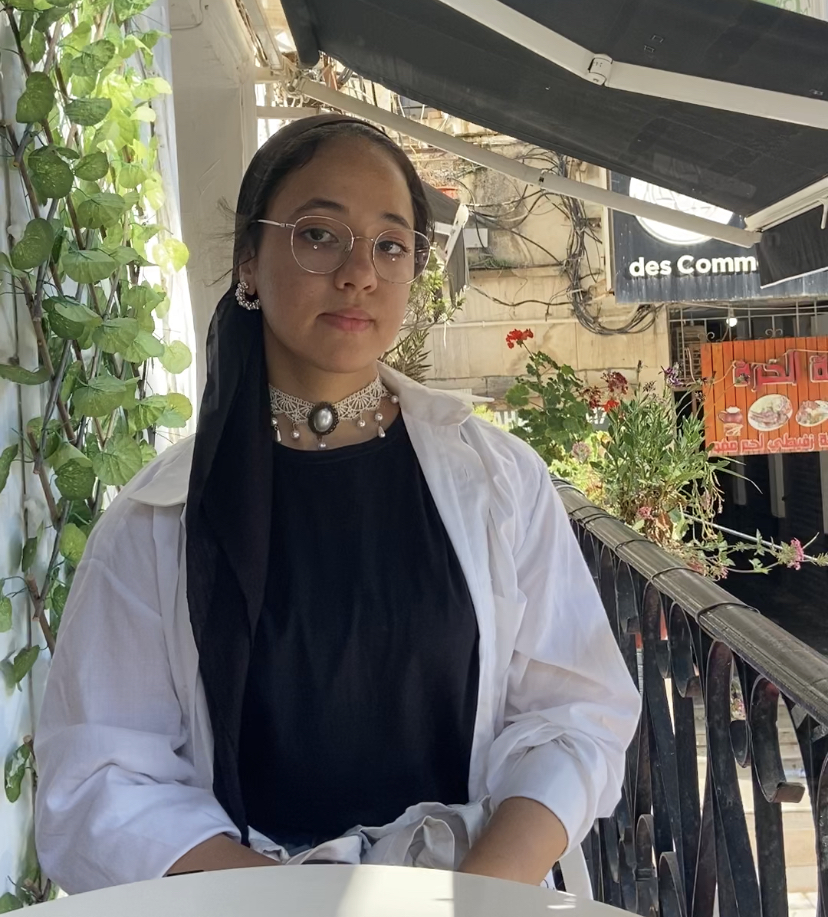
Nesrine Benyaiche, Content Creator, Writer & Feminist Activist, Algeria
Nesrine Benyaiche is an Algerian writer, content creator, and feminist activist whose work explores identity, womanhood, ecology, and the everyday politics of life in North Africa. In this piece, she reflects on festivals as living archives of resistance and belonging — spaces where collective memory, cultural expression, and freedom converge. Her reflection affirms CfCA’s call for increased public investment in culture, reminding us that supporting festivals and creative platforms is essential to safeguarding African identities and nurturing inclusive civic spaces.
