
By Patrick Ssentongo -Kampala, Uganda
When Uganda unveiled its first-ever National Culture Policy in 2006, it was hailed as a progressive framework that would safeguard the nation’s heritage and position culture as a driver of social cohesion and economic growth. The document was ambitious—seeking to re-center culture in national planning, stimulate creativity, and refocus the economy on knowledge and innovation-based activities.
But sixteen years later, that vision remained largely unfulfilled. The policy gathered dust on shelves, while Uganda’s vibrant cultural and creative industries (CCIs) were left to hustle for survival. In 2022, a revised draft was tabled. Yet many stakeholders felt it still fell short of recognizing the realities of today’s creative economy—an economy that powers jobs, tourism, innovation, and exports in many parts of the world.At the heart of this policy debate is the Uganda Parliamentary Forum for Creative Industries (UGAPAFOCI), a non-partisan platform composed of Members of Parliament committed to championing the sector. Its Executive Director, James Wasula, who also chaired the technical team that drafted the 2006 policy, argues that Uganda’s cultural vision cannot succeed unless it fully embraces the creative economy lens.
In an exclusive interview with Connect for Culture Africa (CfCA), Patrick Ssentongo engaged Mr. Wasula in a candid conversation on the gaps, opportunities, and future of Uganda’s cultural policy. Here are highlights from their exchange.
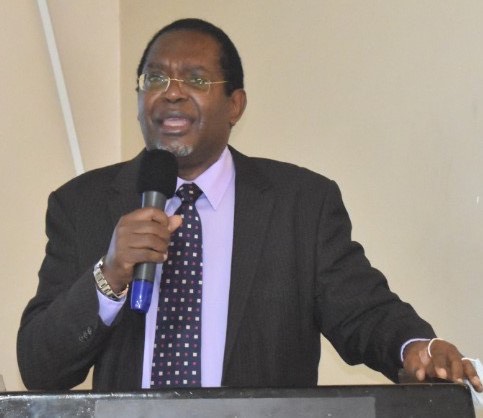
James Wasula , Executive Director, Uganda Parliamentary Forum for Creative Industries (UGAPAFOCI); Chair of the Technical Team that drafted Uganda’s 2006 National Culture Policy
The National Culture Policy was first introduced in 2006. From your perspective, what was the original intention of this policy?
The 2006 National Culture Policy was a sound and comprehensive framework that correctly focused culture in Uganda’s development thinking. The key objectives included: recognition and enhancement of unity in diversity, national pride and dignity and respect for/and conservation of cultural heritage, re-centering culture in Uganda’s development agenda; refocusing economic planning towards knowledge and information-based activities; and stimulating creativity.
Why do you think little progress was made on its implementation over the years, especially in terms of measurable outcomes like budget allocations and institutional reforms?
Scattered mandates of the culture and creative sectors in various Ministries, Departments, and Agencies resulting in inadequate institutional follow-through; inadequate budgetary commitment, hence very weak implementation; and lack of a spearheading public institution like a Ministry or an Arts Council. We need a Ministry, at best – or an Arts Council, at least.
A new draft was tabled in 2022. From your assessment, what were the major strengths and weaknesses of that revised version?
I will not talk about the strengths for obvious reasons; it really had some strong points. The first draft, though good on paper, lacked indigenous focus. It looked like a cut-and-paste document that could not address domestic issues. It failed to address the challenges of Uganda in areas like emerging technologies that affect the Cultural and Creative Industries, the apparent death of our local languages, yet language is the custodian of culture; it failed to demystify the myth about culture – that almost all our indigenous cultural practices (including our languages) were evil and backward; It did not inspire growth of the Creative Economy in Uganda; and it did not articulate the history of Uganda – why we are where we are, so as to inspire change and root for national and self-appreciation.
Many creatives, including musicians like Hon. Racheal Magoola, felt the draft leaned heavily on traditional customs and didn’t reflect the modern creative economy. Do you share that concern, and what specific areas do you feel should have been emphasized—such as digital innovation, regional trade, or diaspora engagement?
That was one of them, but not the major one. The biggest challenge was that it did not provide clear in-roads to embracing and fostering the unstoppable Creative Economy from our culture and indigenous knowledge as raw material.
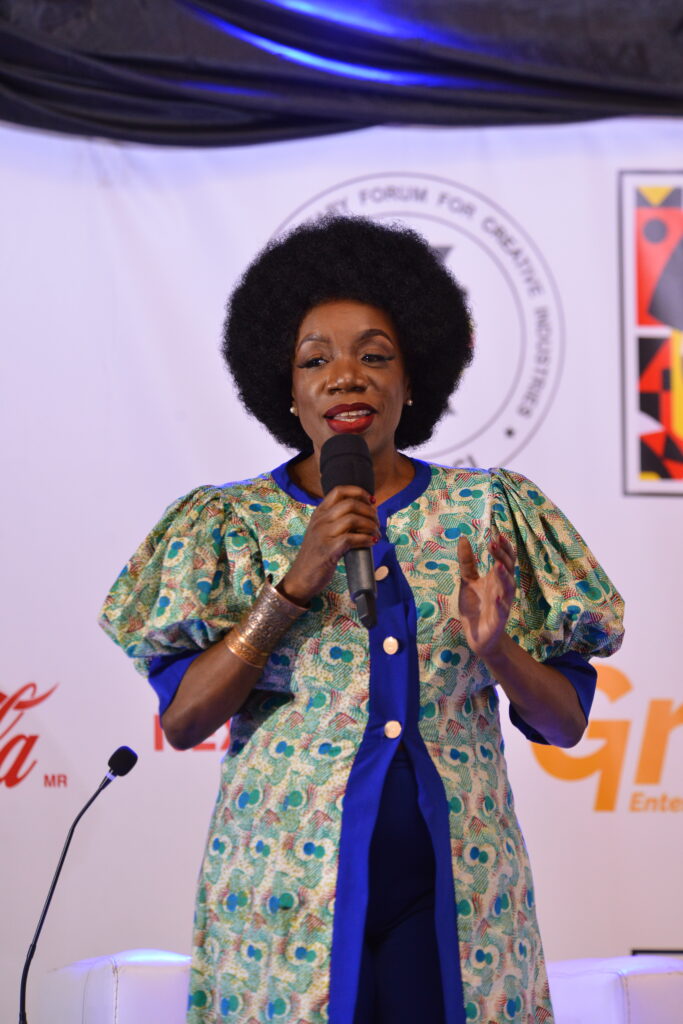
Hon. Racheal Magoola, Chairperson of the Uganda Parliamentary Forum for Creative Industries (UGAPAFOCI)
How is UGAPAFOCI pushing for a more inclusive and forward-looking policy?
We sourced and got funding to do a thorough review of the draft and to produce a robust refined draft. The technical aspects of the exercise were funded by the Investment Climate Reform (ICR) Facility, while SELAM (through Pearl wood) co-funded the research and documentation, with additional support from AFREXIM Bank. UGAPAFOCI also conducted consultative meetings with various stakeholders ranging from practitioners to academics whose input were invaluable. The ICR Facility produced an enhanced draft policy that UGAPAFOCI handed over to the Ministry of Gender, Labour and Social Development in May this year. We also met officials from the Ministry of Finance, Planning and Economic Development, and the National Planning Authority which resulted in the widening of the funding to the sector to UGX 66 billion this financial year – that is still below the African Union’s recommended 1% of national budgets for culture, which CfCA actively advocates for. The UGX 66bn is approximately 0.1% of the National Budget.
The Forum’s objectives sound ambitious — from placing culture at the heart of socio-economic transformation to lobbying for policies and laws that strengthen CCIs. What are the key priorities you’re focusing on in the immediate term?
Mobilising awareness across board; mobilizing financial and technical support to develop the CCIs capacity; and reviewing regulatory, policy and legal frameworks to promote economic growth of the CCIs and the Creative Economy, overall.
What role do Members of Parliament play in ensuring culture and the creative economy are prioritized in national planning and budget consultations—particularly the long-standing commitment to allocate 1% of national budgets to culture?
Since MPs approve and amend the national budget, they have power to influence how much is allocated to the CCIs. Besides, at Committee level, Parliament can make corrective interventions to allocate more funding to the CCIs. Parliament can also move a simple resolution in plenary endorsing African Union’s recommended 1% of national budgets for culture, and requesting an implementation plan within, say six months.
What are the biggest bottlenecks facing Uganda’s creative and cultural industries today—policy-wise, financially, and institutionally?
The leading challenge is the historical misconception that culture is equal to satanism! Uganda’s diverse cultural norms perplexed colonialists that they had to kill it through demonization. Speaking vernacular in schools, even today, is a punishable offence, yet language is the custodian of culture. Culture is also the bedrock of creativity – so once you have killed culture, you have effectively killed creativity. This is so evident in the way we create music, film, architecture, social behavior, among others. The basics in all these, and others, are strongly rooted in foreign cultures. The result of the foregoing is the resentment of locally produced goods and services – even BUBU (Buy Uganda- Build Uganda) is struggling to promote Ugandan products. Ironically, even policy-makers do not want to pass policies that promote our cultures! We struggle to camouflage (dress) culture when addressing policy makers.
How can these be addressed to ensure the policy is not just a document, but a living framework that supports artists, cultural institutions, and even diaspora-driven initiatives for investment and knowledge transfer?
There must be a deliberate effort by government and cultural leaders to reshape mindsets towards valuing and taking pride in our culture. Speaking vernacular languages should be encouraged in schools and at home, with parents engaging children in their mother tongues. Media can also play a role through children’s programs, cartoons, and early learning materials in local languages. Concerns about Uganda’s 65 languages shouldn’t be seen as a barrier—before 1966, schools taught in vernacular despite the same diversity, and some of the best intellectuals were produced then. China, with its 56 ethnic languages, has preserved culture and propelled its creative sector without relying on English as a unifying language. The new draft National Cultural Policy provides a platform to drive such transformation, reflecting the voices of Uganda’s diverse communities while strengthening cultural identity and creative growth.
If you had to recommend three urgent priorities for the revised National Culture Policy, what would they be?
Three is really restrictive, but here we go: 1. Creation of the Ministry of Culture and Creative Industries, and establishment of a National Cultural Policy Implementation Coordination Committee; 2. Secure sustainable, predictable financing from the National Budget; 3. Strengthening enforcement of the Intellectual Property Rights.

James Wasula (extreme left), Executive Director of the Uganda Parliamentary Forum for Creative Industries (UGAPAFOCI), with other sector stakeholders during a UGAPAFOCI event
Finally, what is your message to creatives, policymakers, and the President as Uganda considers adopting this revised policy?
Mindset change. Uganda (and Africa) can only liberate ourselves through preserving and promoting our cultures in diversity. Entrenched culture will automatically drive the Creative Economy to greater heights, propelling sustainable economic growth. If we do not act NOW, emerging technologies will wipe our cultures out and render us perpetual slaves of the developed economies – and a cultureless society!
Editor’s Note

Patrick K. Ssentongo, Journalist, Storyteller and Content Producer, Uganda.
Patrick K. Ssentongo is a Ugandan journalist whose work spotlights the intersections of policy, culture, and community voices.
In this piece, he speaks with James Wasula, Executive Director of UGAPAFOCI, on the gaps and opportunities in Uganda’s National Culture Policy—reinforcing CfCA’s call for stronger institutions and greater public investment in culture.
